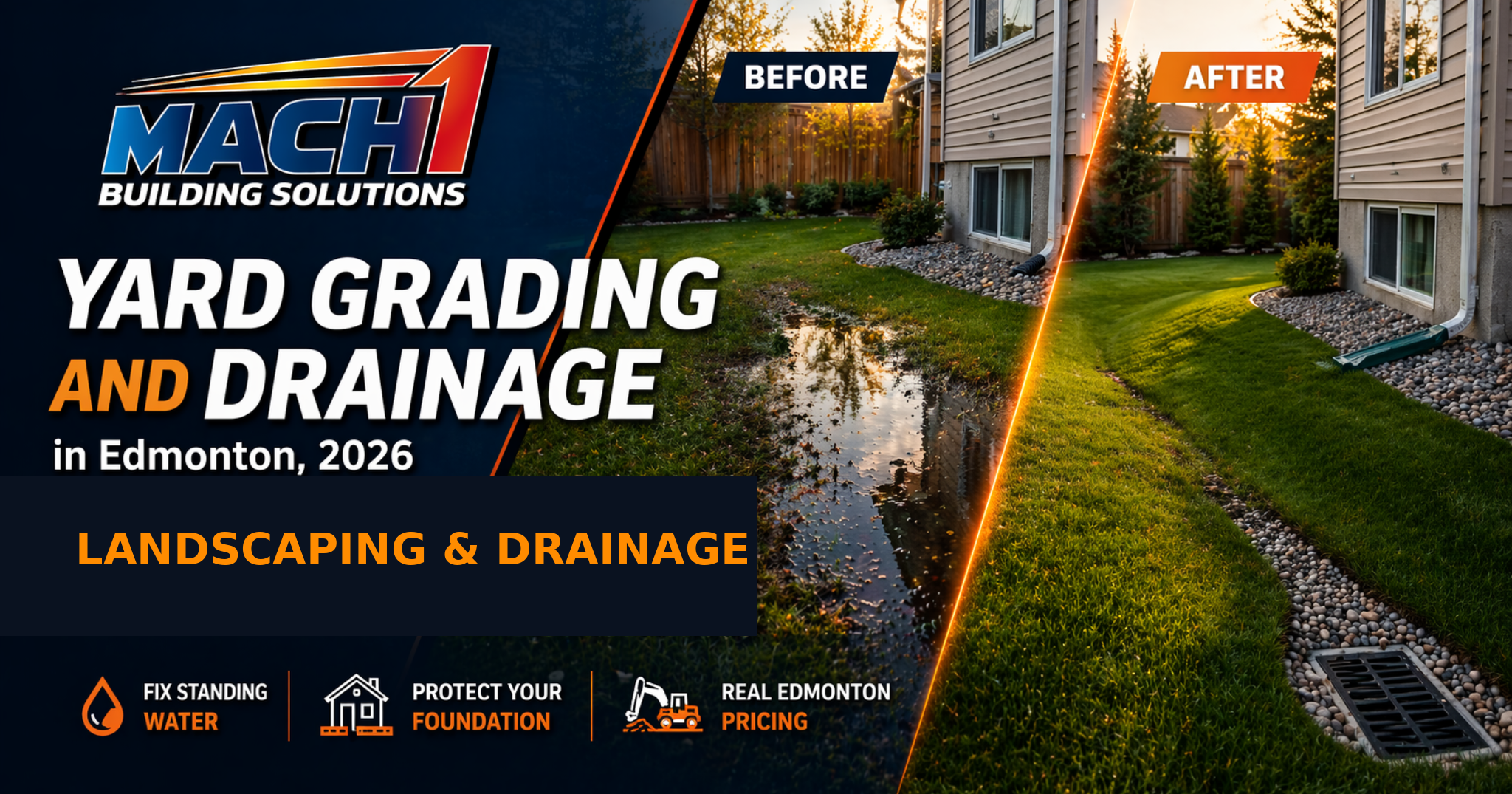
Yard Grading and Drainage in Edmonton
Fix standing water, soggy lawns, poor runoff, and landscaping drainage issues with solutions built for Edmonton yards. Call 780.463.2802.
Why Yard Grading and Drainage Matters
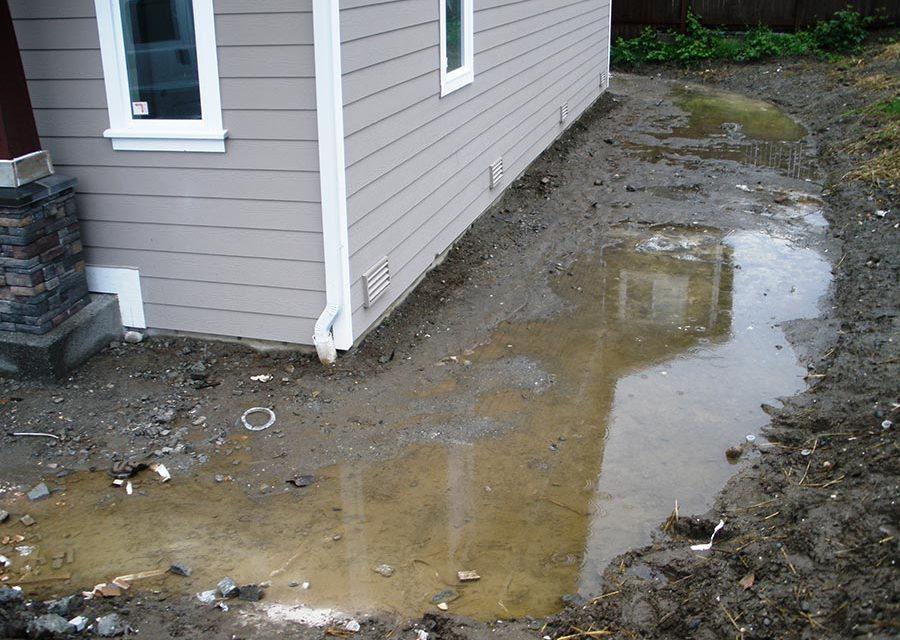
Yard water problems rarely stay small for long. If your lawn stays soggy, water pools near your house, runoff keeps washing out parts of your yard, or your landscaping never seems to dry properly, the real issue is often poor grading, weak drainage, or both.
In Edmonton, clay soil, spring melt, seasonal rain, and freeze-thaw cycles make these problems more common than many homeowners expect. A proper grading and drainage plan helps protect your foundation, improves the function of your yard, and supports the long-term performance of your landscaping.
Quick takeaway: Water should always move away from your home, not toward it. If it does not, grading or drainage correction is likely needed.
Common Signs of a Drainage Problem
Most homeowners notice the symptoms before they know the cause.
Watch for these warning signs
- Standing water after rain or snowmelt
- Soft, soggy, or muddy lawn areas
- Water collecting near the house
- Erosion or soil washout
- Mulch or rock shifting after runoff
- Dead grass in low spots
- Icy patches in winter
- Downspouts draining into wet zones
- Landscaping beds that stay saturated
What Yard Grading Means
Yard grading is the process of shaping the land so water flows in the right direction. The goal is simple. Water should move away from your home, not toward it.
Proper grading helps
- Move water away from structures
- Reduce pooling near the foundation
- Improve lawn drainage
- Support patios, decks, walkways, and fences
- Create a stronger base for landscaping work
Why Drainage Problems Happen in Edmonton
Clay-heavy soil
Clay soil absorbs water slowly and holds moisture longer. Instead of draining naturally, runoff often sits on the surface or collects in low areas.
Spring melt and seasonal runoff
Snowmelt and seasonal rain create sudden water volume. If your yard has poor slope, that water has nowhere to go.
Freeze-thaw movement
As the ground freezes and thaws, soil shifts. Over time, those changes can alter grading and create new low spots or drainage paths.
Settlement around the home
Soil near the foundation often settles after construction. This can cause water to flow back toward the house instead of away from it.
Landscaping without drainage planning
Sod, garden beds, patios, retaining features, fences, and decks can all affect how water moves. If drainage is not considered during landscaping, the finished yard may still hold water.
Drainage Solutions That Actually Work
The right solution depends on your soil, slope, landscaping, and how water behaves on your property. Many yards need a combination of improvements, not one quick fix.
Surface grading
Reshapes the yard so water flows away from structures and out of low spots.
Best for: pooling near the house, general slope correction, and broad drainage improvement across the yard.
French drains
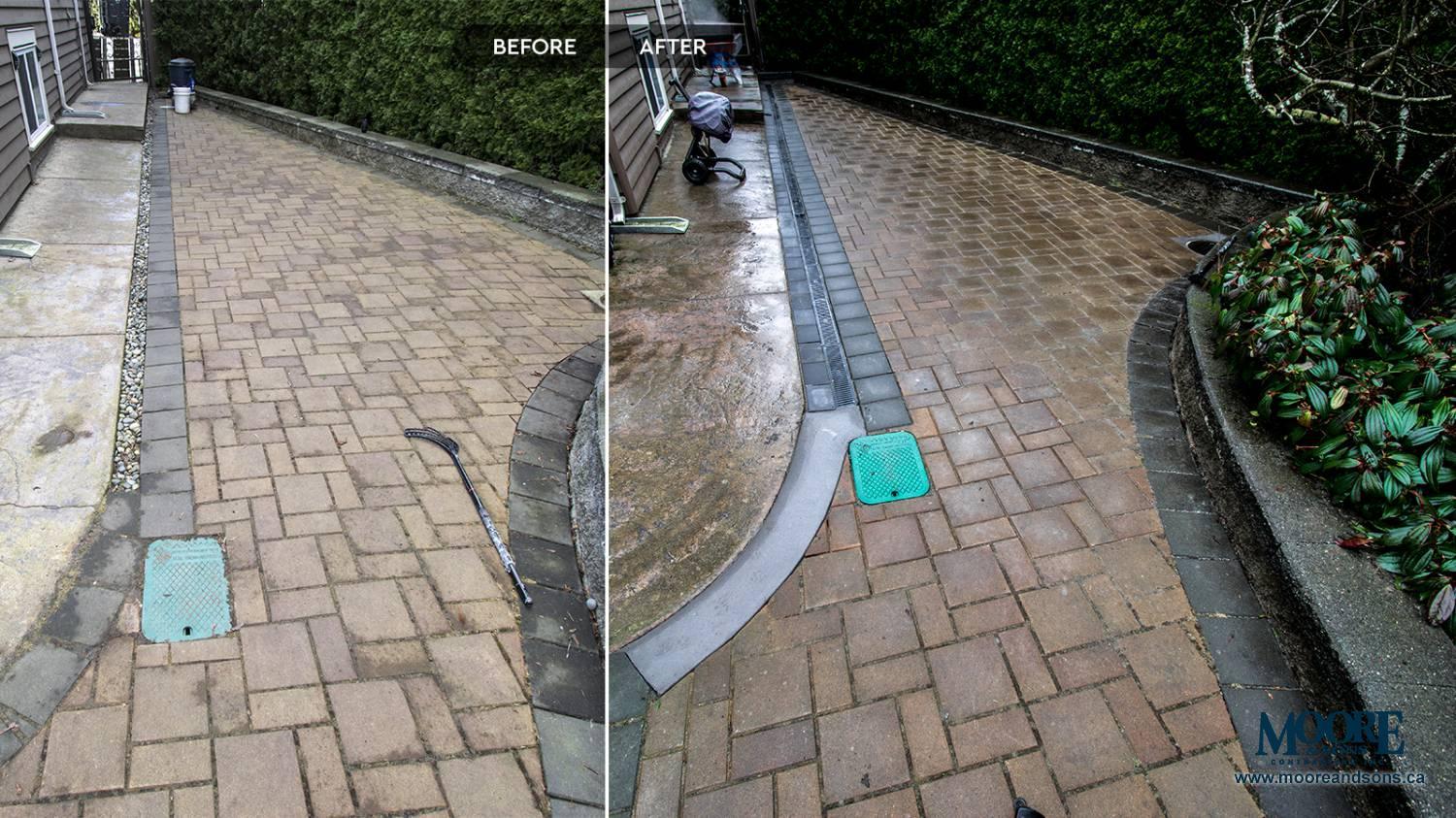
An underground system that collects water and redirects it away from wet zones.
Best for: persistent soggy areas, water buildup near landscaping or structures, and improving drainage in targeted parts of the yard.
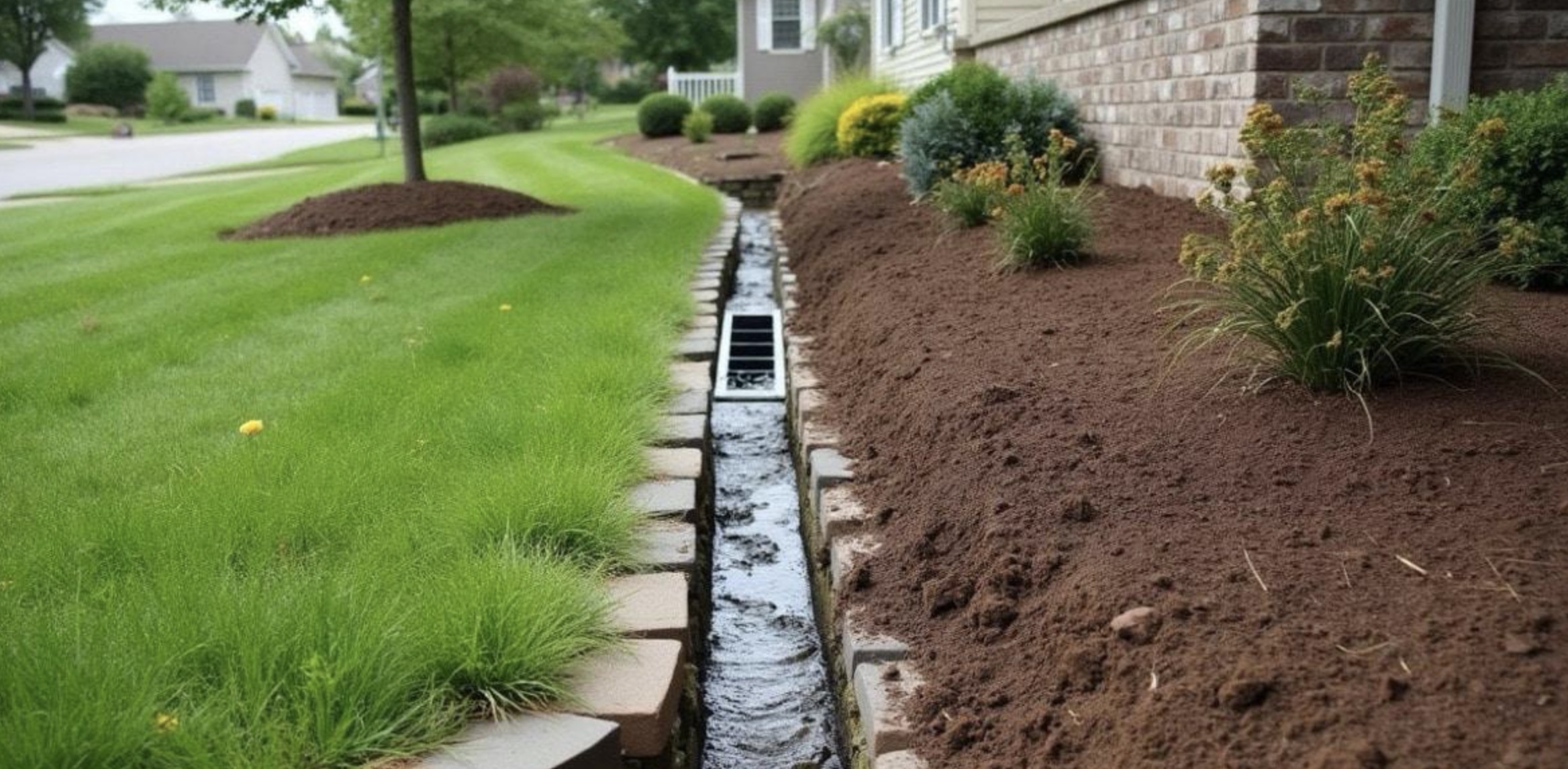
Swales and drainage channels
Shallow channels that guide water naturally across the yard.
Best for: larger properties, visible runoff paths, and directing water away from landscaping beds and lawn areas.
Foundation drainage improvements
Used when water is collecting near the home and perimeter protection is needed.
Best for: water near the foundation, repeated moisture issues, and yards with poor grade around the house.
Downspout extensions and runoff control
Redirects roof runoff away from oversaturated zones.
Best for: localized wet spots, runoff near the home, and supporting larger grading improvements.
When You Need Both Grading and Drainage
Many Edmonton properties need more than one fix.
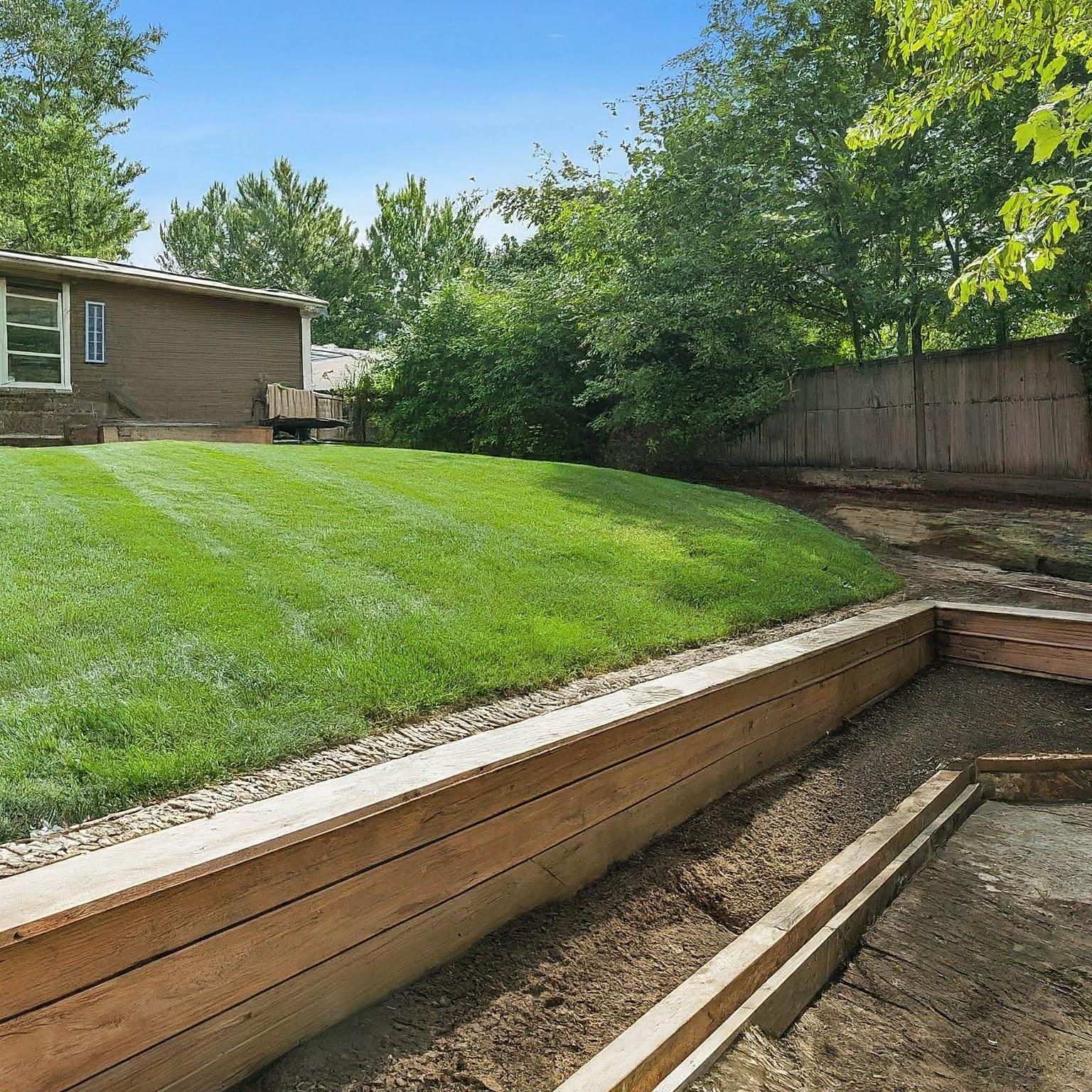
Grading controls where water goes. Drainage systems help move that water away once it gets there. When both are used together, the result is more reliable and longer lasting.
This is especially important when the yard has multiple low spots, heavy clay soil, foundation settlement, runoff from neighboring lots, or finished landscaping already in place.
How Drainage Affects Landscaping
Drainage is not separate from landscaping. It is part of making landscaping work properly.
Poor drainage can ruin sod, planting beds, decorative rock, mulch areas, walkways, patios, edging, and retaining features.
If the water movement is wrong, even good-looking landscaping can fail early. That is why drainage should be planned before finishing the yard, not after the damage shows up.
How to Prevent Drainage Problems Before They Get Worse
- Keep water moving away from the home
- Extend downspouts away from the foundation
- Avoid creating low spots during landscaping
- Watch for settlement after winter
- Plan drainage before adding decks, fences, patios, or sod
- Correct runoff patterns before they damage finished work
If you already know you want to upgrade your backyard, it makes sense to fix grading and drainage first so you do not have to tear out completed work later.
Why Proper Installation Matters
Drainage work is not only about moving dirt or digging trenches. The layout has to match the way water behaves on your specific property.
A good grading and drainage plan considers slope around the home, soil conditions, runoff direction, yard access, existing landscaping, fence and deck placement, and future use of the yard.
That is why drainage problems often return when only part of the issue is fixed or when the wrong solution is used.
Yard Grading and Drainage for New and Existing Homes
Drainage issues are common in both newer neighborhoods and older properties.
New homes can develop water problems as fill soil settles. Older homes often have grading changes, aging drainage paths, or years of patchwork fixes that never solved the root problem.
In both cases, the right solution starts with understanding where the water is going now and where it should go instead.
Frequently Asked Questions About Yard Grading and Drainage in Edmonton
Get Yard Grading and Drainage Done Right
If your yard is holding water, the problem usually gets worse with time. Fixing grading and drainage early helps protect your landscaping, improve how your yard functions, and reduce long-term risk around your foundation.
Call 780.463.2802
Request your quote here